
-
The Dental Implant Healing Stages
Dental implants offer a long-term solution for missing teeth, but the process does not end once the implant is placed. Patients visiting our office in St. Charles, MO, often ask what happens after surgery and how the dental implants healing process unfolds. Understanding each phase helps set realistic expectations and makes it easier to follow care instructions that support proper healing.
What Is Dental Implant Healing?
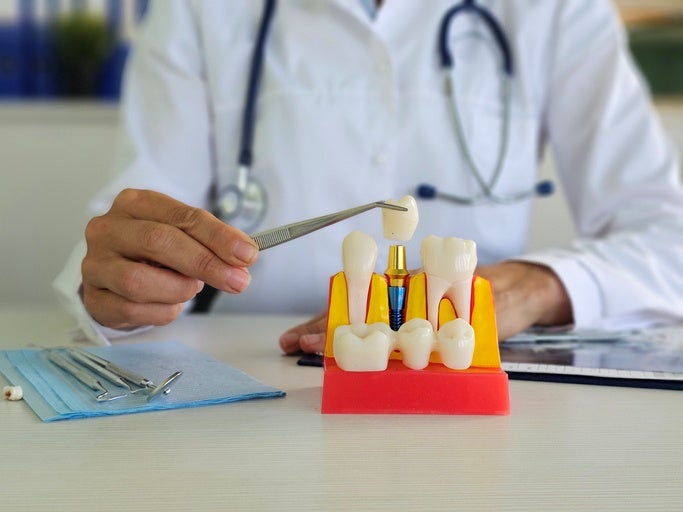
Dental implant healing is the period during which your jawbone and surrounding tissues adapt to the implant. This process involves several biological steps, including tissue repair and bone integration. The stages of dental implant healing are gradual, and they ensure the implant becomes stable enough to support a final restoration. Timelines vary, and the overall healing time for dental implants depends on factors such as bone quality, general health, and adherence to aftercare instructions.
Stage 1: Initial Implant Placement (Surgery Phase)
The first stage begins with the placement of the implant post into the jawbone. This minor surgical procedure is performed with precision so the implant is positioned correctly for long-term success. After placement, the surrounding tissue begins to respond immediately. During this early period, it is normal to notice a few temporary effects as your body adjusts:
- Mild swelling around the gums and jaw
- Minor discomfort that can be managed with medication
- Slight bleeding within the first day or two
These symptoms typically subside quickly, and most patients return to their usual routines within a short time. Even though the visible healing seems fast, deeper changes are just beginning beneath the surface.
Stage 2: Early Healing Phase (First 1–2 Weeks)
The early healing phase focuses on soft tissue recovery. The gums begin to close around the implant site, creating a protective barrier. This stage is important because it reduces the risk of infection and prepares the area for deeper healing.
Patients often feel more comfortable within a few days, but the site still requires care. Avoiding hard or crunchy foods and maintaining gentle oral hygiene can help prevent irritation. While this phase is relatively short, it sets the tone for how smoothly the rest of the dental implant healing stages will progress.
Stage 3: Osseointegration Phase (3–6 Months)
This is the most critical part of the dental implants healing process. Osseointegration is when the implant fuses with the jawbone, creating a stable foundation for the final restoration. Unlike earlier stages, this phase happens without obvious visible changes, but it is essential for long-term success.
For most patients, osseointegration takes several months. Factors such as bone density and overall health can influence the timeline. During this period, we monitor progress to ensure the implant is integrating as expected before moving forward.
Stage 4: Abutment Placement
Once the implant has fully integrated, the next step is placing the abutment. This small connector piece attaches to the implant and supports the final crown. The procedure is less involved than the initial surgery and usually requires minimal recovery time.
After the abutment is placed, the gums need a short period to heal around it. This allows the tissue to settle naturally and creates a stable environment for the restoration.
Stage 5: Final Crown Placement
The final stage involves attaching the custom crown to the abutment. This is when the implant begins to function like a natural tooth. The crown is designed to match the color, shape, and size of your surrounding teeth, creating a seamless appearance.
Once the crown is in place, normal chewing and speaking can resume. While the visible process is complete, maintaining good oral hygiene remains important to protect the implant and surrounding structures.
Tips to Speed Up Dental Implant Healing
Healing is a natural process, but certain habits can help achieve faster, more predictable results. To encourage smooth healing, we recommend focusing on a few practical habits:
- Keep the surgical area clean with gentle brushing and rinsing.
- Follow dietary guidelines, especially in the first few weeks.
- Avoid smoking, as it can interfere with blood flow and healing.
- Attend follow-up visits so progress can be monitored.
Frequently Asked Questions
How long does dental implants take to heal?
Most patients complete the full process in several months, though timelines vary depending on individual factors.
Is discomfort normal after implant placement?
Mild discomfort is expected in the early stages, but it typically fades within a few days.
Can I return to work after the procedure?
Many patients return to normal activities within a day or two, depending on the complexity of the surgery.
Will the implant feel like a natural tooth?
Once healing is complete and the crown is placed, the implant feels and functions just like a natural tooth.
Schedule Your Dental Implant Consultation Today
If you are considering dental implants or want to learn more about the dental implant healing stages, contact Donahue Dental office in St. Charles, MO, to schedule a consultation. We can walk you through each step and help you understand what to expect based on your specific situation.
-
How to Keep Your Dental Implants in Good Condition
How to Care for Your Dental Implants
Dental implants are a safe, comfortable, and effective solution for missing teeth. When you properly care for your dental implants, they can last for decades. Maintaining a consistent oral hygiene routine, following a healthy diet, avoiding risky lifestyle choices, and visiting your dentist regularly for post-dental implant care can significantly extend the lifespan of your implants and protect your oral and overall health. Here is your ultimate guide to properly caring for your dental implants.
Brush & Floss Regularly
Maintaining a consistent daily oral hygiene routine is one of the most important elements of dental implant aftercare. If you don’t properly care for your teeth and gums, your dental implants will not last as long, and you may develop health problems that affect their longevity and the health of your remaining natural teeth. Your oral hygiene routine should include:
- Brushing at least twice per day or after each meal
- Rinsing your mouth out with water after consuming high-sugar foods and beverages
- Flossing at least once per day using an interdental brush or implant-specific floss
- Using an antibacterial, cavity protection, or fluoridated mouthwash twice per day after brushing and flossing
- Using a toothpick to clean around the implant posts to remove plaque and debris
- Using an oral irrigator if recommended by your dentist
Use the Right Tools for Cleaning
Your dentist will recommend specific tools for home care for dental implants. Using the right tools will protect your implants from damage and help you avoid injury to your natural teeth and gums. The most important implant cleaning tools are:
- Toothbrush – You should use a regular soft-bristled toothbrush to clean your natural teeth and dental implants. Brush gently twice per day with an implant-safe toothpaste to remove food particles, plaque, tartar, bacteria, and other buildup.
- Interdental Brush – An interdental brush looks like a small bottle brush or pipe cleaner. It is used to clean between your teeth and remove plaque.
- Water Flosser – A water flosser is another safe, gentle way to clean between your natural teeth and implants and remove harmful buildup.
- Toothpicks or Dental Picks – Your dentist can recommend safe toothpicks or dental picks that you can use to remove food particles and other buildup from between your teeth.
Attend Regular Dental Checkups
You must visit your dentist twice per year to protect your dental implants and your overall dental and oral health. Your dentist will advise you on how to properly care for dental implants and recommend the right tools and products. They will perform a thorough dental exam and may take dental x-rays to look for early warning signs of problems. They will also perform professional dental cleanings and offer other preventive dental care.
Avoid Hard or Sticky Foods
Eating or chewing on hard or sticky food can damage your natural teeth or implants. These foods are also more likely to get stuck between your teeth and harbor bacteria, which can lead to tooth decay, dental cavities, or tooth loss.
Quit Smoking or Using Tobacco Products
Using tobacco products can increase your risk of oral cancer or other types of cancer. Smoking and using tobacco products can also slow healing, making it hard to recover after dental implant surgery. You have a higher risk of implant failure or problems like bleeding gums, swelling, pain, and infection. Your dentist can recommend tips or resources that will help you quit smoking.
Be Mindful of Teeth Grinding
If you have a history of bruxism or teeth grinding, your dentist will recommend specific dental implant care after surgery. You may need to wear a mouthguard while you sleep to protect your teeth and jaw from damage or injury. If your teeth grinding is due to stress, you should practice stress management techniques.
Stay Hydrated & Maintain a Healthy Diet
Water naturally flushes out bacteria from your mouth. If your mouth is dry, harmful bacteria can spread and increase your risk of bad breath, dental cavities, tooth decay, infection, and gum disease. Stay hydrated and drink plenty of water and clear fluids, especially during the summer or while exercising. Following a healthy diet will protect your oral health and overall health and reduce the risk of problems that could affect the lifespan of your implants. Avoid foods and beverages high in sugar, and increase the amount of fresh, whole fruits and vegetables in your diet. Make sure you get enough fiber and protein. If you eat meat, stick to lean meats and fish.
Avoid Using Your Implants as Tools
Do not use your dental implants or your natural teeth to open packages. Don’t chew on pens or other items, and avoid chewing ice or crunching on hard foods or candies. Using your implants as tools can increase your risk of tooth damage like cracks and chips, and can also risk injury to your gums or other parts of your mouth.
Address Any Issues Promptly
If you notice any signs of problems with your dental implants, contact your dentist right away. Waiting too long will allow the problem to get worse and more painful or dangerous. Your dentist can assess the underlying cause of your problem and offer effective solutions to preserve your oral health and the lifespan of your implants.
Call Donahue Dental to Make an Appointment for Dental Implants
At Donahue Dental, Dr. Donahue is an experienced prosthodontist who specializes in tooth replacement, full mouth reconstruction, dentures, and dental implants. He can help you determine if you are a good candidate for dental implants and provide ongoing dental implant care and maintenance. Call us now or contact us online to schedule a consultation for dental implants.
-
The Benefits of Dental Implants for Your Smile and Dental Health
Dental implants are a comfortable, natural-looking, long-term solution for missing teeth. They consist of a titanium rod surgically implanted in your jawbone to act as a tooth root and a prosthetic tooth attached to the titanium rod. They offer a stable foundation for replacement teeth and can enhance your smile, oral and overall health, and speaking and chewing functions. Getting replacement teeth can also reduce your risk of jawbone loss, facial deformity, and other complications. Here is a look at the benefits of dental implants for your smile and dental health.

Improved Appearance & Confidence
One of the signs that you need dental implants is if you have multiple missing teeth or multiple teeth that need to be extracted due to trauma, decay, infection, or disease. Once your teeth are gone, they must be replaced by a prosthetic, or you risk developing oral health problems and facial deformities that can affect your confidence and self-esteem. Replacing your teeth with a dental appliance or prosthetic can offer a comfortable, natural-looking solution that restores the beauty of your smile and boosts your confidence. You won’t feel like you have to hide your smile in photos or avoid social events any longer.
Enhanced Functionality & Comfort
Implants are anchored into your jawbone, providing a stable chewing surface. Because they are permanent, they will not shift around in your mouth like dentures might. They are more comfortable than other tooth replacement options, and look more natural. When you get dental implants, you will be able to enjoy a wide variety of foods, including foods that may have been too hard, sticky, or chewy to eat properly. When you have missing teeth, you may also have trouble speaking or pronouncing certain words. Implants restore your speech function and clarity so it’s easier for you to be understood.
Prevents Bone Loss & Maintains Jaw Health
When you have multiple missing teeth and you don’t replace them, you can develop jawbone loss. The jawbone surrounding the missing teeth will start to recede or disintegrate. This can result in facial sagging, jawbone deformity, and changes in your appearance. Poor jawbone density can also cause problems with eating and speaking. Implants can stimulate jawbone growth and preserve its strength and structure.
Durability & Long-Lasting Results
Dental implants are one of the most durable, natural-looking, and long-lasting tooth replacement options. With proper care and maintenance, they can last for decades without needing to be replaced. They are also more stable and comfortable than other dental prosthetics, so you are more likely to have success using them.
Improved Oral Health
The longer you have missing teeth, the more likely it is that your remaining teeth will start to shift to fill in the gaps. This can cause crooked teeth, increased wear and tear on your teeth, and bite problems. You may also eventually develop jaw pain or strain from trying to eat or speak without the proper underlying tooth structure. Getting implants can reduce your risk of tooth loss and improve the overall stability of your teeth. You are also less likely to develop infections, tooth decay, and gum disease.
Easy Care & Maintenance
Dental implants are simple and easy to care for. Because they are permanently implanted in your jawbone, they do not need to be removed for cleaning or oral hygiene. Instead, you can care for them like your natural teeth. You should brush twice per day, floss at least once per day, and use fluoridated toothpaste and mouthwash. You should also visit your dentist twice per year for a professional dental cleaning and exam. Your dentist will check for any early warning signs of oral health issues and offer you guidance on properly maintaining your natural and prosthetic teeth.
Signs That You Need Dental Implants
If you have more than one missing tooth or an entire arch of missing teeth, you should explore your options for replacement teeth in order to protect your appearance, oral health, and comfort. You should make an appointment with your dentist or prosthodontist if you notice any signs that you need dental implants:
- Persistent, severe toothache that doesn’t go away with medication
- Frequent dental cavities or large dental cavities that can’t be repaired with a root canal
- Loose or shifting teeth
- Severe gum disease
- Gum recession
- Changes in your jaw structure due to missing teeth
- Trouble eating or speaking due to missing teeth
- Risk factors for tooth decay or disease, such as tobacco use, malnutrition, eating disorder, alcohol overuse, recreational drug use, or poor oral hygiene
Contact Donahue Dental Today for Dental Implant Solutions
At Donohue Dental, we offer affordable dental implants and dentures. Dr. Donahue is a highly skilled and experienced prosthodontist. He and his team will assess your oral health, the condition of your teeth, and your lifestyle to determine if you are a good candidate for this tooth replacement option. We can show you photos of real patients before and after dental implants and help you choose the right type of dental implants for comfort, aesthetics, and oral health. Call us now or contact us online to schedule an initial consultation.