
-
Benefits of Composite Fillings for Tooth Repair
Composite Dental Fillings in St. Charles, MO
If you have a damaged or decayed tooth, you may experience pain or difficulty while chewing and speaking. Luckily, there are many treatment options available to you. These include composite dental fillings. Based in St. Charles, MO, Donahue Dental provides restorative and cosmetic dental treatments for decayed, cracked, and chipped teeth. By understanding the benefits of composite fillings, you can feel more confident in your dental care decisions. Whether you’re treating a cavity or replacing an older filling, our dental fillings can provide pain relief and return your teeth’s function to normal so that you can get on with your life in peace.
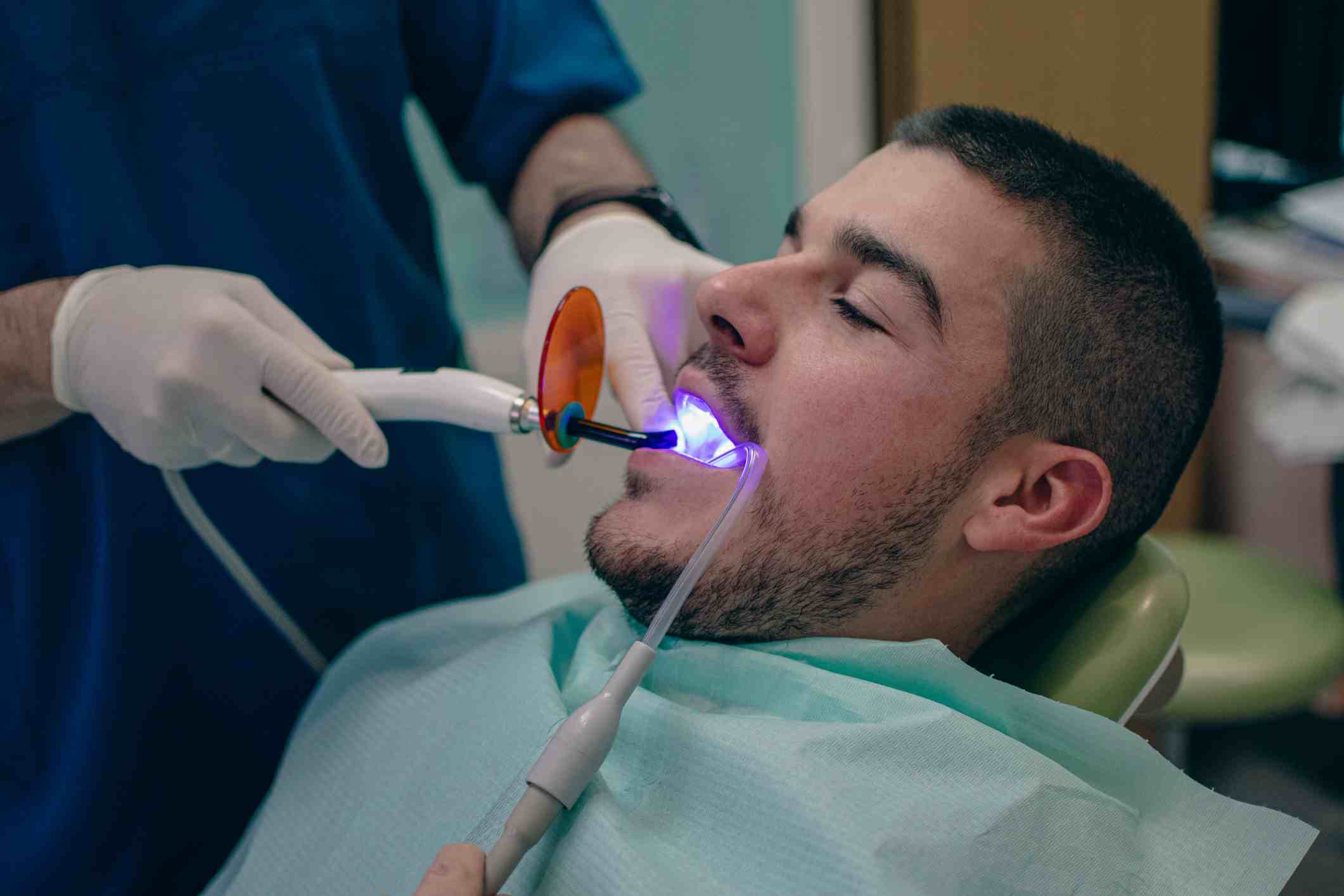
What is a Composite Filling?
A composite filling is a dental application made from a mix of resin and finely ground glass particles. This mixture creates a durable, tooth-colored substance applied directly to the area of the tooth that needs filling, such as a cavity. Once applied, it’s bonded directly to the tooth, where it is shaped and hardened to fit seamlessly within it. Some of the purposes for composite fillings include, but are not limited to, the following:
- Repair: It fixes cavities caused by tooth decay, or chipped, cracked, or worn teeth.
- Replacement: If you have an old or damaged metal filling, a composite can replace it.
- Cosmetic Improvement: Composites can also help reduce staining or discoloration on the teeth.
Composite Fillings vs. Traditional Metal Fillings
If you’ve had a cavity in the past, you may have received either a composite or a metal filling to fill the hole left behind. Even so, it helps to understand how each differs in both appearance and performance. Here are some of the core differences between the two filling types:
- Material: Composites are made from resin and glass particles. Metal fillings are usually made with amalgam, which contains a mix of metals.
- Appearance: Made with a natural-looking substance, composites mimic the look of natural teeth much more closely than metal fillings.
- Durability: Metal fillings often provide long-term strength. But composites can also last many years with proper care.
The Key Benefits of Composite Fillings
If you have a cavity or a metal filling that needs to be replaced, then a composite filling can help you. Here are a few of the reasons why you should choose, or at least consider, a composite filling for your tooth repair:
- A Natural Appearance: Composites usually resemble natural teeth better. So, they’re ideal for patients who want a restoration that blends seamlessly with the rest of their smile.
- Quicker Treatment: The composite filling treatment can often be completed in a single visit, making it convenient if you have a busy schedule or don’t want to interrupt your routine for long.
- Minimal Sensitivity: While you may experience minor discomfort or sensitivity after your composite is applied, it should subside not long after your tooth adjusts to treatment.
Why Composite Fillings Are Popular for Tooth Repair
Composite fillings are very popular and in demand among individuals with cavities and other forms of dental damage. Many people want dental treatments that preserve their natural appearance, and composite dental fillings meet that expectation well. The treatment process is minimally invasive, often requiring minimal tooth structure removal. Advancements in dental materials have improved their strength and longevity, making them a dependable option for both front and back teeth. If composite fillings are right for many other patients, then they may be right for you, too.
Receive Composite Filling Treatment Today
Taking care of a cavity quickly is the best way to protect your long-term oral health. With the right application, treatment, and care, composite fillings can produce lasting results for your dental beauty and function. Do you think that this treatment is right for you? If so, the team at Donahue Dental can help you. Our team, led by Dr. Donahue, has provided restorative and cosmetic dental treatments for patients throughout St. Charles, MO, and the surrounding areas for many years. And we would love to serve you next. Contact us today to book your next dental appointment. We can evaluate your teeth and overall oral health and determine if cosmetic dental fillings are right for you.
FAQs
How Long Do Composite Fillings Last?
Composite fillings can last a decade or longer, depending on factors like oral hygiene, diet, and the specific tooth. With regular dental checkups and good care, your filling may stay strong and effective for years.
Is There Sensitivity After Composite Filling Procedures?
Some patients experience mild sensitivity. Sensitivity may occur especially in extremely hot or cold temperatures. But it is usually temporary and resolves within a few days to a couple of weeks as the tooth adjusts.
Are Composite Dental Fillings Better Than Metal Fillings?
Both composite and metal fillings offer unique advantages, which make them suitable for different dental conditions and circumstances. We recommend consulting with your dentist to determine which is best for you.
Can I Replace My Old Silver Fillings With Composite Resin?
Absolutely. Many people choose to replace their old silver fillings with composite resin. If you’re considering this, it’s best to consult with your dentist to check the condition of your existing fillings and determine if replacement is a good option.
Are Composite Fillings Safe?
Yes, composite fillings are generally safe. They don’t contain any mercury, which is why many patients and dentists prefer and recommend them.
-
How Does Sleep Apnea Affect Daily Life?
St. Charles, MO Patients Ask: What is Sleep Apnea?
Sleep apnea is a sleep‑related breathing condition in which breathing repeatedly slows or pauses during the night. The condition can affect many parts of everyday life, often more than people expect. Aside from feeling tired or fatigued, some individuals notice changes in their energy, focus, and mood, as well as in their relationships and routines. Donahue Dental is a St. Charles, MO dental office that can recommend sleep apnea treatments. Below, you’ll find information about the effects of the condition on your life and routine and the treatment options available. We aim to help you improve your rest and overall quality of life.

The Effects of Sleep Apnea on Sleeping and Resting
Sleep is most restorative when breathing and oxygen levels stay relatively steady. If apnea is negatively impacting your rest, it could affect it in one or more of the following ways:
- Interrupted Sleep: The chronic snoring, gasping, and choking may periodically wake you up, preventing you from getting a full, proper night’s sleep.
- Unsatisfying Sleep: Many people can sleep through their constant snoring. But when they wake up in the morning, they feel as if they haven’t gotten any sleep at all.
- Annoyance to Sleeping Partners: Do you sleep with a spouse, partner, or another person? If so, apnea may impede their sleep and overall quality of life.
The Effects of Sleep Apnea on Work and Daily Performance
If you don’t notice you’re snoring or choking during the night, then you may notice it during the day. Here are some of the common ways in which apnea can affect your routine and waking life:
- Tiredness and Fatigue: Do you feel like you can barely keep your eyes open during the day? Do you want to doze off? If so, sleep apnea may be to blame.
- Impaired Thinking: If you’ve had poor sleep because of apnea, you may feel what is known as “brain fog.” This form of fatigue inhibits brain activity, causing slower and more difficult thinking.
- Lower Energy: You need energy to conduct even the smallest daily tasks. Apnea can make your daily routine seem more difficult to manage, no matter how familiar you are with it.
- Increased Irritability: Do you feel annoyed or frustrated with interactions or situations that normally wouldn’t bother you? It may be because of your interrupted sleep.
The Types of Sleep Apnea Treatment
Luckily, there are several treatment options available for reducing the effects and symptoms of sleep apnea. Some of the treatments your dentist may recommend or provide include the following:
- CPAP: Short for Continuous Positive Airway Pressure (CPAP), this device keeps airways open during sleep, allowing you to breathe better and more consistently during sleep.
- Oral Appliances: Your dentist may recommend an oral appliance, custom-fitted to the size and shape of your mouth, to open and maintain your airways.
- Lifestyle Changes: Adjusting your lifestyle may also alleviate sleep apnea. These can include exercise, weight loss, better sleep habits, rest positions, and quitting or reducing smoking or alcohol consumption.
Choose Us for Sleep Apnea Treatment
Donahue Dental understands how sleep apnea can impact your health, relationships, and daily life. Living with this condition, especially when it’s untreated, can cause all kinds of mental, emotional, and physical problems. But you don’t have to settle. Instead, seek treatment from our highly trained and experienced oral health team. We’ve treated patients of varying ages, conditions, and backgrounds with sleep apnea for many years. If you’re tired of the condition’s symptoms and want to reduce their impact on your life, book an appointment. We’ll learn more about your condition and history and check your breathing and airways so that we can decide the right course of action.
FAQs
What are the Types of Sleep Apnea?
The three main types of sleep apnea include the following:
- Obstructive Sleep Apnea (OSA): The most common form. It occurs when the throat muscles relax too much during sleep, blocking the airway.
- Central Sleep Apnea (CSA): With this type, the brain doesn’t send the right signals to the muscles that control your breathing. This can lead to pauses in breathing.
- Mixed or Complex Sleep Apnea: This combines both obstructive and central types. This means that the patient experiences both physical airway blockage and brain signaling issues.
What are the Causes of Sleep Apnea?
Many factors can cause Obstructive Sleep Apnea. These may include obesity, nasal congestion, and narrow airways. Drinking alcohol before bed can also relax throat muscles and worsen the condition. Neurological issues cause Central Sleep Apnea.
Are There Signs of Sleep Apnea in Adults?
Yes. The common signs include loud snoring, gasping, choking during sleep, and breathing pauses noticed by a partner. You may also wake up with dry mouth, morning headaches, excessive fatigue, trouble concentrating, or feelings of irritability. Restless sleep and frequent nighttime awakenings also commonly occur. Are you exhibiting any of these signs? If so, schedule an exam.
What are the Risk Factors of Sleep Apnea?
Some of the common risk factors of sleep apnea include, but are not limited to, the following:
- Obesity: Excess weight, especially around your neck and upper airway.
- Family History: Having relatives with sleep apnea increases your risk.
- Age: As you get older, your chances of getting sleep apnea may increase.
- Smoking: Those who smoke tobacco and other products have a higher risk of developing the condition.
- Alcohol Use: Alcohol relaxes throat muscles and can worsen breathing issues.
- Medical Conditions: Heart problems, thyroid issues, and certain medications.
How Can I Manage My Sleep Apnea?
Mild cases can be managed with lifestyle changes like exercising or quitting smoking. For more serious cases, your dentist may recommend a CPAP machine to keep your airways open during sleep.
-
How to Plan Your Smile Makeover Before the Big Day
Receive a Wedding Smile Makeover in St. Charles, MO
Are you a soon-to-be bride or groom? If your wedding is coming up, you likely want to look and feel your best. This is especially true when it comes to your smile. From the aisle to the reception, your wedding will be photographed and committed to the memories of your guests and loved ones. Donahue Dental wants to help your teeth shine on the most important day of your life. That’s why we can provide you with a wedding smile makeover in St. Charles, MO. It’s critical to plan and fulfill this cosmetic dental treatment before the big day arrives. Below is an overview of the smile makeover process and what you can expect.

What is a Smile Makeover?
A smile makeover is a personalized dental treatment that includes various cosmetic and restorative dental treatments to enhance the look of your teeth and gums. It is intended to correct a wide range of dental issues, including missing teeth, alignment, and minor damage. Some of the services and treatments involved in a smile makeover include, but are not limited to, the following:
- Professional Teeth Whitening Before the Wedding: Applying teeth whitening solutions to improve the brightness and surface cleanliness of the teeth.
- Bonding: This treatment corrects minor tooth chips, cracks, or gaps, giving the teeth a restored and natural-looking appearance.
The Benefits of Dental Makeover Planning
In general, we recommend starting your smile makeover planning weeks or months ahead of your wedding day. Doing so will provide the following benefits for you and the rest of your wedding planning:
- Saves Time: If you get started early, you’ll likely have more time to relax or attend to other pressing matters related to your big day.
- More Treatment Options: You’ll have greater access to treatment options that take more time or appointments to complete, such as aligners.
- Peace of Mind: Are you feeling rushed or anxious over the responsibilities of planning your wedding? Early smile makeover planning can help ease your stress.
How to Plan: Five Smile Makeover Tips
Do you want a smile makeover before your wedding? If so, you may be wondering where to start. Following these five steps will hopefully make the process and your journey easier and worry-free:
- Step 1: Schedule a Smile Makeover Consultation Early: You should probably begin planning and making appointments for your smile makeover roughly three to six months before your wedding day. Doing so will allow your dentist to review and monitor your oral health and cosmetics, evaluate approaches, and decide which treatments are suitable for you.
- Step 2: Identify Your Smile Concerns and Goals: How do you want your smile to look? What cosmetic issues do you want to correct or reduce? Let your dentist know. They can assess your teeth and gums and help you decide which treatments will best address your dental problems and hit your objectives before your wedding day.
- Step 3: Choose the Right Smile Makeover Treatments: There are countless dental cosmetic procedures to choose from. With the assistance of your dentist, begin choosing the right services and solutions. Then, your dental team can begin providing them for you.
- Step 4: Maintain Oral Health During the Process: Healthy teeth and gums form the base for any cosmetic changes. During your makeover, you should still routinely brush, floss, rinse, and wash your teeth as you normally would. Day-to-day dental care will contribute to the results and quality of your smile makeover.
- Step 5: Get Final Touch‑Ups Before the Big Day: At this point, your wedding is just around the corner. Before the day arrives, have your dentist provide small refinements and last-minute touches to your teeth and gums. These can include polishing and touch-up whitening. You can also ask any remaining questions or address concerns you have regarding treatment.
Get a Smile Makeover Before Your Wedding
Your wedding will soon be one of the most memorable moments of your life. And your teeth should provide you with joy and confidence when the day finally arrives. At Donahue Dental, we’re committed to helping you achieve the beautiful smile you deserve through personalized wedding smile makeovers. If you want to get started on achieving your desired smile before the big day, contact us to schedule an appointment. Whether you need professional teeth whitening or a complete transformation, our experienced team will work with you to create a treatment plan that fits your timeline and goals.
FAQs
What Is Included in a Bridal Smile Makeover?
Treatments vary based on your specific goals. Your dentist may combine bonding, alignment corrections, and more to give you a photo-ready look for your big day.
Can I Finish a Wedding Smile Makeover Before My Wedding Day?
If you start early enough, then yes. That’s why we recommend getting started three to six months prior to the wedding. If you lack time, quicker procedures like resin bonding or tooth whitening may suffice.
How Long Will My Smile Makeover Last After My Wedding?
With proper care, your smile makeover can last for many years. Just ensure that you practice good oral health and hygiene habits routinely, such as brushing, flossing, and washing your mouth. You should also schedule bi-annual exams and checkups.
Am I a Good Wedding Smile Makeover Candidate?
If you’re soon getting married, and you are unhappy with your teeth’s function or appearance, then you may be a good candidate for a smile makeover. However, your dentist should first confirm that your gums and teeth are healthy enough to support the treatment.
Are Wedding Smile Makeovers Covered by Insurance?
That will depend on your insurance plan and coverage. Please get in touch with your provider for more information.
-
The Dental Implant Healing Stages
Dental implants offer a long-term solution for missing teeth, but the process does not end once the implant is placed. Patients visiting our office in St. Charles, MO, often ask what happens after surgery and how the dental implants healing process unfolds. Understanding each phase helps set realistic expectations and makes it easier to follow care instructions that support proper healing.
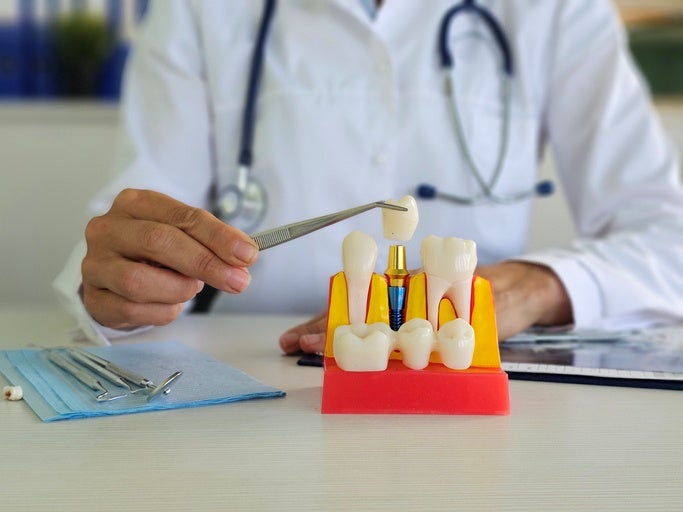
What Is Dental Implant Healing?
Dental implant healing is the period during which your jawbone and surrounding tissues adapt to the implant. This process involves several biological steps, including tissue repair and bone integration. The stages of dental implant healing are gradual, and they ensure the implant becomes stable enough to support a final restoration. Timelines vary, and the overall healing time for dental implants depends on factors such as bone quality, general health, and adherence to aftercare instructions.
Stage 1: Initial Implant Placement (Surgery Phase)
The first stage begins with the placement of the implant post into the jawbone. This minor surgical procedure is performed with precision so the implant is positioned correctly for long-term success. After placement, the surrounding tissue begins to respond immediately. During this early period, it is normal to notice a few temporary effects as your body adjusts:
- Mild swelling around the gums and jaw
- Minor discomfort that can be managed with medication
- Slight bleeding within the first day or two
These symptoms typically subside quickly, and most patients return to their usual routines within a short time. Even though the visible healing seems fast, deeper changes are just beginning beneath the surface.
Stage 2: Early Healing Phase (First 1–2 Weeks)
The early healing phase focuses on soft tissue recovery. The gums begin to close around the implant site, creating a protective barrier. This stage is important because it reduces the risk of infection and prepares the area for deeper healing.
Patients often feel more comfortable within a few days, but the site still requires care. Avoiding hard or crunchy foods and maintaining gentle oral hygiene can help prevent irritation. While this phase is relatively short, it sets the tone for how smoothly the rest of the dental implant healing stages will progress.
Stage 3: Osseointegration Phase (3–6 Months)
This is the most critical part of the dental implants healing process. Osseointegration is when the implant fuses with the jawbone, creating a stable foundation for the final restoration. Unlike earlier stages, this phase happens without obvious visible changes, but it is essential for long-term success.
For most patients, osseointegration takes several months. Factors such as bone density and overall health can influence the timeline. During this period, we monitor progress to ensure the implant is integrating as expected before moving forward.
Stage 4: Abutment Placement
Once the implant has fully integrated, the next step is placing the abutment. This small connector piece attaches to the implant and supports the final crown. The procedure is less involved than the initial surgery and usually requires minimal recovery time.
After the abutment is placed, the gums need a short period to heal around it. This allows the tissue to settle naturally and creates a stable environment for the restoration.
Stage 5: Final Crown Placement
The final stage involves attaching the custom crown to the abutment. This is when the implant begins to function like a natural tooth. The crown is designed to match the color, shape, and size of your surrounding teeth, creating a seamless appearance.
Once the crown is in place, normal chewing and speaking can resume. While the visible process is complete, maintaining good oral hygiene remains important to protect the implant and surrounding structures.
Tips to Speed Up Dental Implant Healing
Healing is a natural process, but certain habits can help achieve faster, more predictable results. To encourage smooth healing, we recommend focusing on a few practical habits:
- Keep the surgical area clean with gentle brushing and rinsing.
- Follow dietary guidelines, especially in the first few weeks.
- Avoid smoking, as it can interfere with blood flow and healing.
- Attend follow-up visits so progress can be monitored.
Frequently Asked Questions
How long does dental implants take to heal?
Most patients complete the full process in several months, though timelines vary depending on individual factors.
Is discomfort normal after implant placement?
Mild discomfort is expected in the early stages, but it typically fades within a few days.
Can I return to work after the procedure?
Many patients return to normal activities within a day or two, depending on the complexity of the surgery.
Will the implant feel like a natural tooth?
Once healing is complete and the crown is placed, the implant feels and functions just like a natural tooth.
Schedule Your Dental Implant Consultation Today
If you are considering dental implants or want to learn more about the dental implant healing stages, contact Donahue Dental office in St. Charles, MO, to schedule a consultation. We can walk you through each step and help you understand what to expect based on your specific situation.