
How Does Sleep Apnea Affect Daily Life?
St. Charles, MO Patients Ask: What is Sleep Apnea?
Sleep apnea is a sleep‑related breathing condition in which breathing repeatedly slows or pauses during the night. The condition can affect many parts of everyday life, often more than people expect. Aside from feeling tired or fatigued, some individuals notice changes in their energy, focus, and mood, as well as in their relationships and routines. Donahue Dental is a St. Charles, MO dental office that can recommend sleep apnea treatments. Below, you’ll find information about the effects of the condition on your life and routine and the treatment options available. We aim to help you improve your rest and overall quality of life.
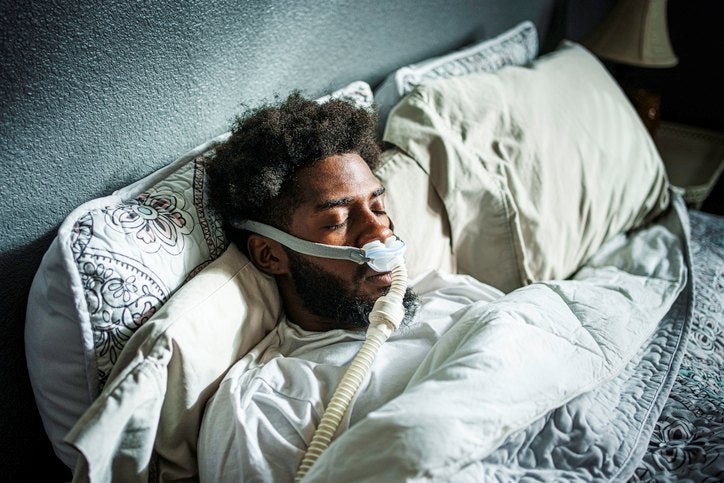
The Effects of Sleep Apnea on Sleeping and Resting
Sleep is most restorative when breathing and oxygen levels stay relatively steady. If apnea is negatively impacting your rest, it could affect it in one or more of the following ways:
- Interrupted Sleep: The chronic snoring, gasping, and choking may periodically wake you up, preventing you from getting a full, proper night’s sleep.
- Unsatisfying Sleep: Many people can sleep through their constant snoring. But when they wake up in the morning, they feel as if they haven’t gotten any sleep at all.
- Annoyance to Sleeping Partners: Do you sleep with a spouse, partner, or another person? If so, apnea may impede their sleep and overall quality of life.
The Effects of Sleep Apnea on Work and Daily Performance
If you don’t notice you’re snoring or choking during the night, then you may notice it during the day. Here are some of the common ways in which apnea can affect your routine and waking life:
- Tiredness and Fatigue: Do you feel like you can barely keep your eyes open during the day? Do you want to doze off? If so, sleep apnea may be to blame.
- Impaired Thinking: If you’ve had poor sleep because of apnea, you may feel what is known as “brain fog.” This form of fatigue inhibits brain activity, causing slower and more difficult thinking.
- Lower Energy: You need energy to conduct even the smallest daily tasks. Apnea can make your daily routine seem more difficult to manage, no matter how familiar you are with it.
- Increased Irritability: Do you feel annoyed or frustrated with interactions or situations that normally wouldn’t bother you? It may be because of your interrupted sleep.
The Types of Sleep Apnea Treatment
Luckily, there are several treatment options available for reducing the effects and symptoms of sleep apnea. Some of the treatments your dentist may recommend or provide include the following:
- CPAP: Short for Continuous Positive Airway Pressure (CPAP), this device keeps airways open during sleep, allowing you to breathe better and more consistently during sleep.
- Oral Appliances: Your dentist may recommend an oral appliance, custom-fitted to the size and shape of your mouth, to open and maintain your airways.
- Lifestyle Changes: Adjusting your lifestyle may also alleviate sleep apnea. These can include exercise, weight loss, better sleep habits, rest positions, and quitting or reducing smoking or alcohol consumption.
Choose Us for Sleep Apnea Treatment
Donahue Dental understands how sleep apnea can impact your health, relationships, and daily life. Living with this condition, especially when it’s untreated, can cause all kinds of mental, emotional, and physical problems. But you don’t have to settle. Instead, seek treatment from our highly trained and experienced oral health team. We’ve treated patients of varying ages, conditions, and backgrounds with sleep apnea for many years. If you’re tired of the condition’s symptoms and want to reduce their impact on your life, book an appointment. We’ll learn more about your condition and history and check your breathing and airways so that we can decide the right course of action.
FAQs
What are the Types of Sleep Apnea?
The three main types of sleep apnea include the following:
- Obstructive Sleep Apnea (OSA): The most common form. It occurs when the throat muscles relax too much during sleep, blocking the airway.
- Central Sleep Apnea (CSA): With this type, the brain doesn’t send the right signals to the muscles that control your breathing. This can lead to pauses in breathing.
- Mixed or Complex Sleep Apnea: This combines both obstructive and central types. This means that the patient experiences both physical airway blockage and brain signaling issues.
What are the Causes of Sleep Apnea?
Many factors can cause Obstructive Sleep Apnea. These may include obesity, nasal congestion, and narrow airways. Drinking alcohol before bed can also relax throat muscles and worsen the condition. Neurological issues cause Central Sleep Apnea.
Are There Signs of Sleep Apnea in Adults?
Yes. The common signs include loud snoring, gasping, choking during sleep, and breathing pauses noticed by a partner. You may also wake up with dry mouth, morning headaches, excessive fatigue, trouble concentrating, or feelings of irritability. Restless sleep and frequent nighttime awakenings also commonly occur. Are you exhibiting any of these signs? If so, schedule an exam.
What are the Risk Factors of Sleep Apnea?
Some of the common risk factors of sleep apnea include, but are not limited to, the following:
- Obesity: Excess weight, especially around your neck and upper airway.
- Family History: Having relatives with sleep apnea increases your risk.
- Age: As you get older, your chances of getting sleep apnea may increase.
- Smoking: Those who smoke tobacco and other products have a higher risk of developing the condition.
- Alcohol Use: Alcohol relaxes throat muscles and can worsen breathing issues.
- Medical Conditions: Heart problems, thyroid issues, and certain medications.
How Can I Manage My Sleep Apnea?
Mild cases can be managed with lifestyle changes like exercising or quitting smoking. For more serious cases, your dentist may recommend a CPAP machine to keep your airways open during sleep.