
-
Choosing the Right Dental Implants for Lasting Results
Choosing the Right Dental Implants for Lasting Results
A beautiful, fully functional smile is essential for your self-confidence and your overall health. If you’re living with missing teeth, you know firsthand how it can impact your ability to speak clearly, enjoy your favorite foods, and smile without hesitation. Fortunately, modern restorative dentistry offers a highly effective, permanent solution in dental implants.
To achieve the best, most durable outcome, it is crucial to understand your choices and work closely with a qualified professional. This guide will walk you through everything you need to know about selecting the right dental implants to ensure beautiful, lasting results.
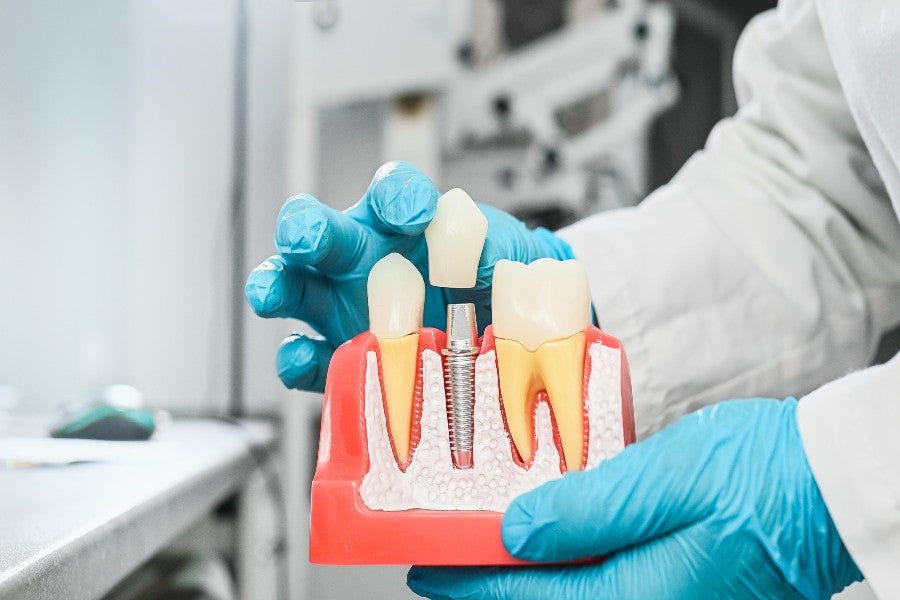
Dental Implants Are a Long-Term Tooth Replacement Solution
Unlike temporary fixes like traditional dentures or dental bridges, dental implants are designed to be a permanent part of your mouth. They’re surgically inserted into the jawbone, where they undergo a natural process called osseointegration. During this process, the bone fuses directly with the implant post, creating a rock-solid foundation that mimics a natural tooth root. This structural integration offers several unique advantages:
- Bone Loss Prevention: When a tooth is lost, the underlying jawbone begins to deteriorate from a lack of stimulation. Implants provide this necessary stimulation, preserving your facial structure.
- Stability and Comfort: Because they are anchored in the bone, implants will never slip, shift, or click when you talk or eat.
- High Success Rate: With proper care and clinical expertise, dental implants boast a success rate of over 95%.
Understanding the Different Types of Dental Implants
When exploring your restorative options, there are various types of dental implants and configurations tailored to different levels of tooth loss. These include:
- Single Tooth Implants: Perfect for replacing a single missing tooth without altering the adjacent healthy teeth.
- Implant-Supported Bridges: Ideal for replacing several missing teeth in a row. Instead of anchoring to natural teeth, the bridge is securely supported by implants on either end.
- Implant-Supported Dentures: If you’re missing an entire arch of teeth, you can opt for implant-retained or implant-supported dentures. These implant-supported dentures offer vastly superior stability compared to traditional removable dentures.
Key Factors to Consider When Choosing Dental Implants
Selecting the right implant system requires looking at several clinical and personal factors. We outline these key factors below.
Different Implant Materials
The material of your implant post plays a major role in its longevity and how your body accepts it. The two most common implant materials are:
- Titanium: This is the industry standard. Titanium is highly biocompatible, incredibly strong, and has a decades-long track record of successful osseointegration.
- Zirconia: A ceramic alternative that is metal-free and naturally white. Zirconia is an excellent choice for patients with metal allergies or those concerned about thin gums.
Bone Density and Overall Health
To support an implant, your jawbone must have adequate volume and density. If you’ve suffered bone loss, you may require a preparatory procedure like a bone graft or sinus lift before your implant surgery. Additionally, systemic health conditions like uncontrolled diabetes or smoking can slow down the healing process and must be evaluated.
How to Choose the Best Dental Implant for Your Needs
Every smile is unique, which means there is no one-size-fits-all solution. To determine the best dental implant path for you, consider the following step-by-step approach:
- Define Your Goals: Are you looking to replace a single tooth, a bridge, or a full-mouth restoration?
- Evaluate Your Budget: While implants are a premium treatment, they’re an investment in your lifetime health. Take the time to think about your budget.
- Get a Comprehensive Evaluation: A detailed dental exam utilizing 3D cone-beam CT scans is necessary to map out your digital treatment plan and assess your precise anatomical needs.
The Importance of Choosing an Experienced Implant Dentist
The success of your dental implant journey depends on your provider’s skill, training, and experience. Implant dentistry is a highly technical blend of science and art. When searching for a provider, look for a dentist who uses state-of-the-art digital diagnostic technology and has a proven portfolio of successful patient transformations. An experienced dentist will customize your surgical plan down to the millimeter, minimizing risks and maximizing the lifespan of your restoration.
What to Expect During the Dental Implant Process
While the entire journey can take several months to fully complete, understanding the dental implant process can ease any anxiety. The process includes:
- Initial Consultation: Your dentist performs a thorough examination, takes imaging, and designs your customized treatment plan.
- Implant Placement: In a minor surgical procedure, the implant post is placed into your jawbone.
- Osseointegration: Over the next few months, the bone fuses around the implant. A temporary crown or denture can often be worn during this time.
- Abutment Placement: A small connector piece, called an abutment, is attached to the implant post to hold the final tooth.
- Final Restoration: Your custom-crafted crown, bridge, or implant-supported denture is permanently attached, completing your brand-new smile.
Tips for Maintaining Dental Implants for Lasting Results
Once your implants are in place, keeping them healthy is straightforward. Here are essential tips for dental implants to ensure they last a lifetime:
- Practice Excellent Oral Hygiene: Brush twice a day with a soft-bristle toothbrush and floss daily. Specialized implant floss or interdental brushes can help clean hard-to-reach areas around the abutments.
- Avoid Smoking: Smoking can hinder blood flow to the gums and bone, significantly increasing the risk of implant failure.
- Protect Against Grinding: If you clench or grind your teeth at night, wear a custom nightguard to protect your porcelain restorations from excessive pressure.
- Visit Your Dentist Regularly: Bi-annual cleanings and exams allow your dentist to monitor the health of the bone and gum tissue surrounding your implants.
Frequently Asked Questions
How Long Do Dental Implants Last?
With proper care, oral hygiene, and regular dental checkups, the titanium or zirconia implant post itself can last a lifetime. The custom crown or restoration attached to the top may experience normal wear and tear and might need replacement or maintenance after 10 to 15 years.
Are Dental Implants Worth the Investment?
Absolutely. While the upfront cost of dental implants is higher than that of other tooth-replacement alternatives, they do not require frequent adjustments, special adhesives, or routine replacements like traditional dentures. By preserving your jawbone, preventing adjacent teeth from shifting, and restoring 100% of your chewing capacity, dental implants are a highly cost-effective investment in your long-term health and quality of life.
Does the Dental Implant Procedure Hurt?
Most patients report experiencing minimal discomfort during and after the dental implant procedure. The surgery is typically performed under local anesthesia, ensuring that you feel no pain while the implant is being placed. In the days following the treatment, any mild soreness or swelling can be managed with over-the-counter pain relievers.
Schedule Your Dental Implant Consultation Today
Donahue Dental is your trusted dental provider in St. Charles, MO. We can help determine the best type of dental implants for your unique needs. Reach out to us today to schedule a consultation.